Builder
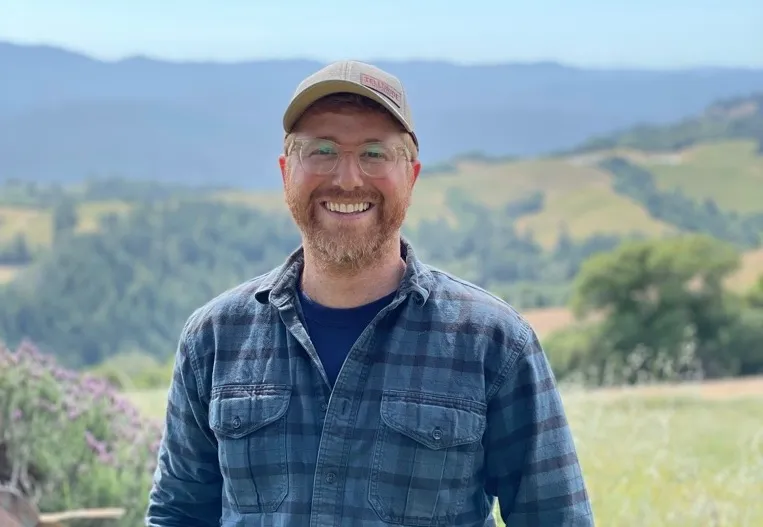
Bill Clerico’s path into wildfire resilience began with the physical reality of living in a fire-prone landscape.
After co-founding and selling WePay, Clerico spent more time in Anderson Valley, California, where catastrophic wildfire became increasingly difficult to treat as an abstract problem. Fires threatened his property and evacuation route. His homeowners insurance was dropped. Smoke became part of ordinary summer life.
He started locally.
Clerico volunteered with the Anderson Valley Fire Department, helped organize a neighborhood Fire Safe Council, and began reducing fuels around his own property. Today, he owns roughly 340 acres of Douglas Fir and Redwood forest that he actively manages for conservation, wildfire resilience, and timber production.
That experience eventually led him to found Convective Capital in 2022, an investment firm focused on technologies that can help prevent, detect, suppress, and recover from disasters. He also founded Red Sky Summit, which brings together people working across the wildfire system.
What makes Clerico interesting is the range of that work. He has managed land, volunteered inside the emergency-response system, organized around local preparedness, and now directs capital toward companies trying to increase the country’s resilience capacity.
Wildfire is often discussed as a firefighting problem. In practice, it is also a forest-management, insurance, housing, utility, construction, workforce, and government-capacity problem.
Clerico’s work connects several of those layers.
Through Convective Capital, he backs companies developing tools for wildfire prevention, detection, response, and recovery. The firm’s thesis is that technology can help existing institutions do more of the physical work required to manage risk, from treating vegetation and inspecting infrastructure to identifying fires sooner and improving emergency response.
But a better sensor or piece of equipment does not make a community resilient by itself. It has to become part of a system that can deploy it, maintain it, and act on the information it produces.
That is where Clerico’s background as a volunteer firefighter and forest steward matters. His investment work is informed by direct experience with the land and the institutions responsible for protecting it.
For Building America, he represents a kind of builder whose contribution may not be visible in the finished physical object: the person who helps finance the tools and companies that allow others to build, maintain, and protect places more effectively.
His work also points toward a larger question. Can America turn repeated disaster spending into durable capabilities that reduce the damage from the next fire, rather than rebuilding the same vulnerabilities again?
Further reading
Visit source