Company
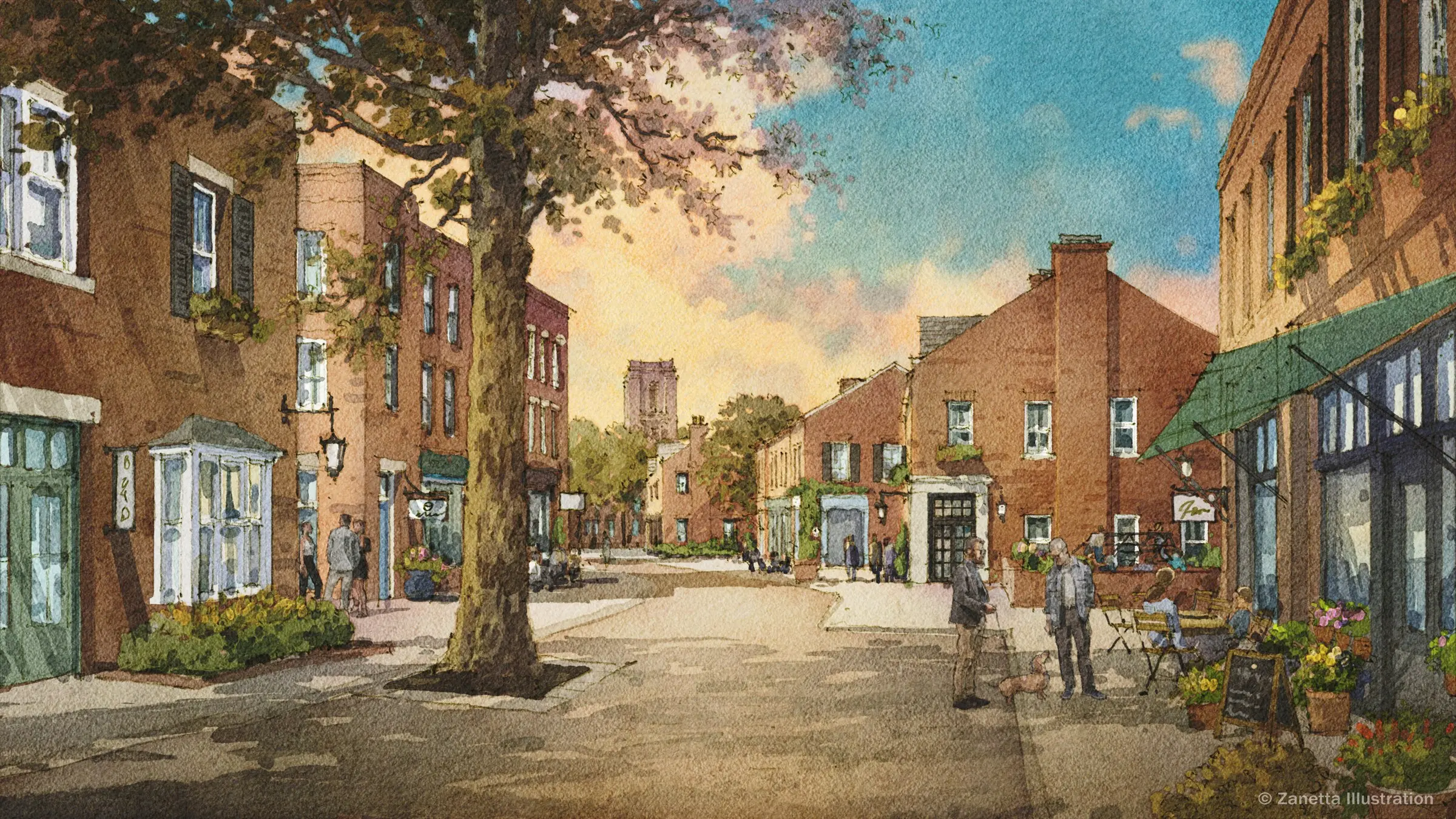
Building Culture is an Oklahoma-based design, construction, and development company working to create new homes and neighborhoods with the durability, character, and human scale people often admire in older American towns.
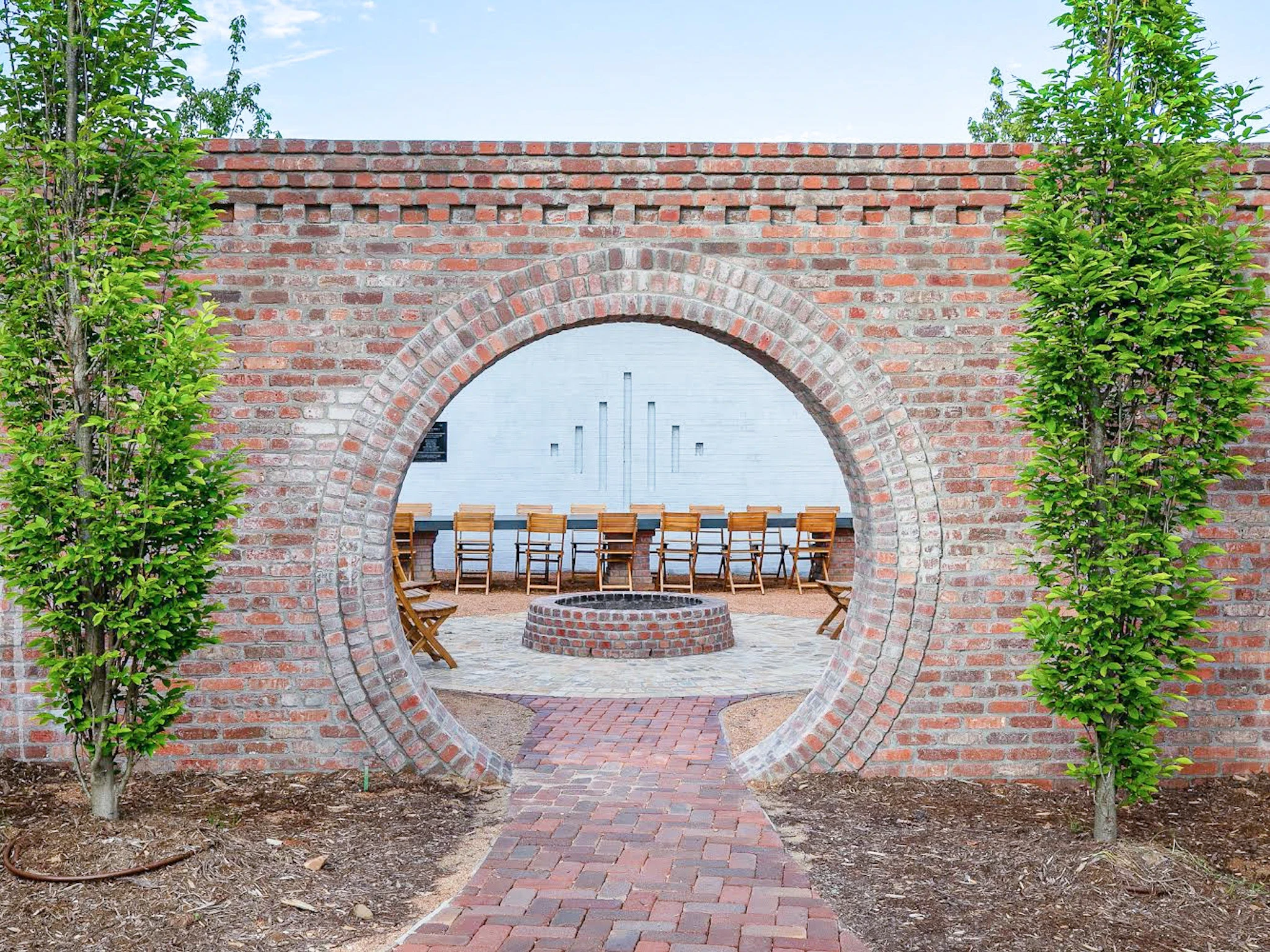
At the center of its work is structural masonry: using brick or stone as the building’s load-bearing structure, rather than simply applying it as a decorative veneer over a conventional frame. In a structural masonry building, the walls themselves carry the loads. Their thickness, openings, arches, and details are part of both the engineering and the architecture.
The company was founded by Austin Tunnell, who left a career in accounting, served in the Peace Corps, and later apprenticed under a master mason and timber framer. That experience helped shape a practice in which the knowledge of how a building is constructed is closely connected to its design.
One of Building Culture’s early projects was The Bend at Carlton Landing, completed in 2020. The pocket neighborhood brought together structural masonry homes around a shared courtyard, demonstrating how individual houses could be arranged to create a small, coherent place rather than simply occupy separate lots.
The company also designed and built several commercial buildings at Selah in Norman, Oklahoma, completed in 2021. Its work includes masonry towers, office space, a restaurant, and an entertainment venue within a walkable neighborhood. The buildings demonstrate how traditional construction can contribute to a larger place, with individual structures designed to work together rather than stand alone.
In Oklahoma City’s Wheeler District, Building Culture completed a structural masonry home at 1900 Oso Avenue in December 2023. Its exposed brick walls, arches, and carefully detailed interiors show the company’s interest in using masonry as both structure and architectural expression.
Building Culture is now applying its experience at a larger scale in downtown Edmond, where Townsend is under construction. The mixed-use development is planned around shared courtyards, with workspace, live-work units, and 18 townhomes arranged within an existing walkable district. Its first phase includes Apollo Workspace, three buildings constructed with structural brick masonry, alongside two live-work units.
Across these projects, the company is working toward a consistent idea: that new development can produce more than individual buildings. It can create homes, streets, courtyards, and businesses that fit together into places people want to inhabit for generations.
Building Culture’s approach combines three disciplines that are often separated in contemporary development: design, construction, and real estate development.
The company works from the first sketch through construction, with architects, builders, and development professionals collaborating on material choices, construction methods, costs, and architectural details. That integration is particularly important when working with structural masonry, where the way a building is engineered and assembled has a direct influence on its appearance and performance.
Structural masonry requires specialized knowledge that has become less common in contemporary residential construction. Load-bearing walls must be designed for structural loads, openings, moisture management, insulation, and the sequencing of construction. Arches and other traditional details must be engineered and built correctly, rather than simply reproduced as decorative forms.
Building Culture has invested in developing that expertise while combining traditional methods with contemporary tools and building science. Its ambition is not to recreate the past exactly, but to recover useful construction knowledge and apply it to modern buildings.
The company has also had to confront the practical limitations of that approach. During the pandemic-era construction disruptions, rising costs and long brick lead times forced Building Culture to take on conventional wood-framed projects as well. Tunnell has described that experience as a difficult but necessary adaptation, one that helped the company distinguish its broader commitment to durable, human-scaled places from an exclusive commitment to any single material.
That distinction matters as the company moves from individual houses toward larger development projects.
At Townsend, Building Culture is pursuing what it calls inner-block development: arranging buildings around a sequence of shared spaces within an existing walkable district. Rather than lining a site with buildings and leaving the interior primarily for parking, the plan uses courtyards and pedestrian connections to create a smaller neighborhood within the surrounding city.
The project is being developed in phases. Apollo Workspace and two live-work units are under construction, with an anticipated spring 2027 opening. Later phases are planned to add 18 townhomes. Next door, Building Culture is also a partner on Wren, a proposed 34-unit rental development organized around shared courtyards. Wren remains in development.
The company’s ambitions extend beyond the appearance of its buildings. Its development model increasingly emphasizes owning and holding mixed-use properties over the long term, connecting the durability of the architecture with the financial incentives of the people responsible for maintaining it.
Building Culture is still a relatively small firm, and its larger neighborhood projects are works in progress. But its completed homes and buildings provide tangible evidence of the approach: traditional construction knowledge applied to contemporary development, with the goal of creating buildings and places that can remain useful long after their first occupants move in.
Further reading
Visit source