Organization
When the Eaton Fire tore through Los Angeles County in January 2025, thousands of families lost their homes. Architects Alex Athenson and Cynthia Sigler, whose own Pasadena home narrowly survived, began working on a way to make rebuilding less difficult for their neighbors.
They founded the Foothill Catalog Foundation, a nonprofit that helps disaster survivors rebuild through pre-approved home designs, practical guidance, and connections to the people needed to get construction underway.
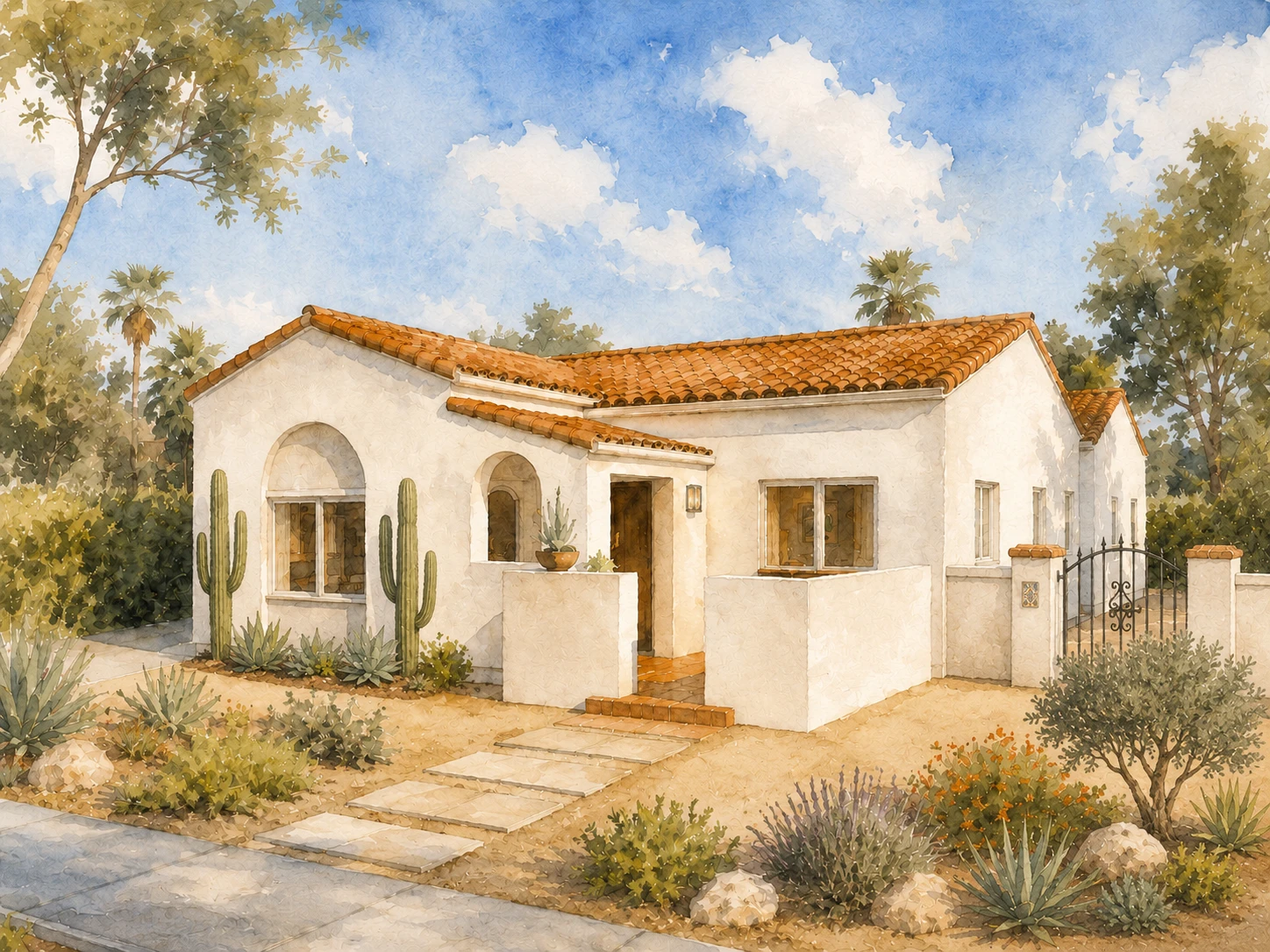
The idea takes inspiration from the old Sears catalog-house model, but adapts it for modern disaster recovery. Instead of asking every homeowner to commission a completely custom design, the Foundation offers a collection of homes that have already gone through substantial design, engineering, and code review.
The designs are tailored to local architectural traditions, accommodate different lot sizes and household needs, and incorporate wildfire-resilient construction. Homeowners can choose a design that feels appropriate for their property while avoiding much of the duplicated work that makes rebuilding expensive and slow.
The Foundation also helps families navigate the process beyond selecting a plan, including understanding site requirements, connecting with qualified builders, and moving toward permitting and construction.
The model is already producing homes. Its first completed house, built in partnership with San Gabriel Valley Habitat for Humanity, welcomed the Wood family home in March 2026. The Foundation is also expanding its catalog approach from Altadena to the Pacific Palisades.
Disaster recovery creates a difficult production problem. Thousands of households may need architects, engineers, contractors, permits, and financing at the same time, while the local construction system is already under strain.
Foothill Catalog is trying to reduce the amount of work that has to be repeated for every individual house.
Its approach standardizes the technical work that can be shared while preserving variety in the homes themselves. The catalog includes different architectural styles, layouts, and sizes, with designs developed through community input and collaboration among architects, engineers, builders, and local government.
The government relationship is especially important. Before the Foundation’s work, Los Angeles County did not have a mechanism for pre-approving plans for primary residences. Athenson and Sigler worked with county officials to establish one, and the first Foothill Catalog design received pre-approval in June 2025.
That means the organization is doing more than providing a collection of house plans. It is helping create a repeatable pathway through which families can move from a design to a permitted, buildable home.
The Foundation currently offers its pre-approved plans to fire survivors for $5 per square foot. That is the architectural licensing cost, not the total cost of rebuilding, which still depends on the site, construction, utilities, finishes, and other project requirements.
For Building America, the larger question is whether communities can develop this kind of rebuilding capacity before the next disaster. A catalog, a permitting pathway, a network of qualified builders, and a body of accumulated construction knowledge could make recovery less dependent on every family having to solve the same problems alone.
Further reading
Visit source