Builder
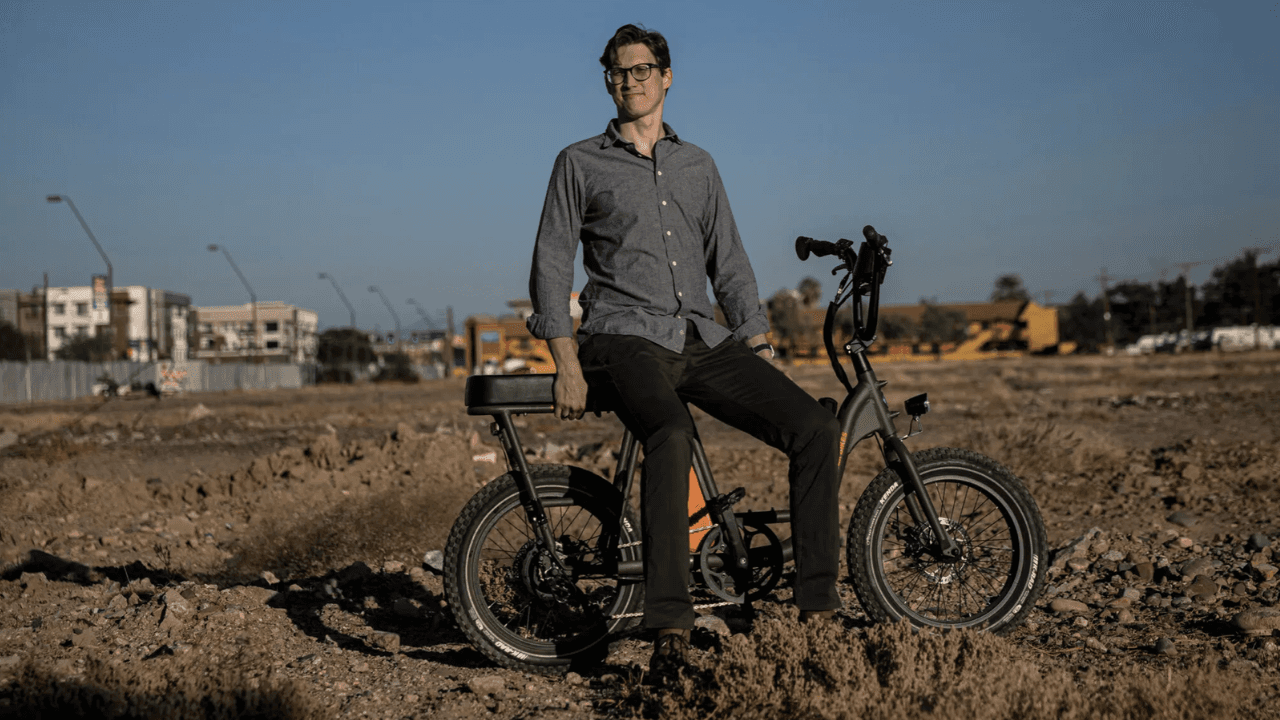
Culdesac Tempe began with a simple question: what kind of neighborhood would people choose if the place came first?
Homes, shops, restaurants, courtyards, shaded walkways, and light rail all sit within the rhythm of daily life. Parking no longer dictates the shape of the neighborhood, which leaves more room for housing, public space, trees, and the kind of streets people actually want to spend time on.
That would be interesting as a design exercise. Culdesac had to survive the market.
Ryan had to raise capital, work through local approvals, lease commercial space, attract residents, and prove that people would choose the neighborhood once it existed.
The project gives developers, cities, and investors something far more useful than another rendering. It gives them a place they can visit, study, and argue with.
Culdesac Tempe has drawn attention for being car-free, but the more lasting lesson may actually be about choice.
For decades, the default American development model has been treated as the only model that can be financed, approved, and built at scale. Culdesac makes that assumption harder to defend.
The point isn’t that every future neighborhood should copy Tempe. The point is that builders now have another precedent to work from.
A real place can carry an idea farther than a hundred policy papers. Ryan took the argument and turned it into a new place where people can actually lve.

Further reading
Visit source