Place
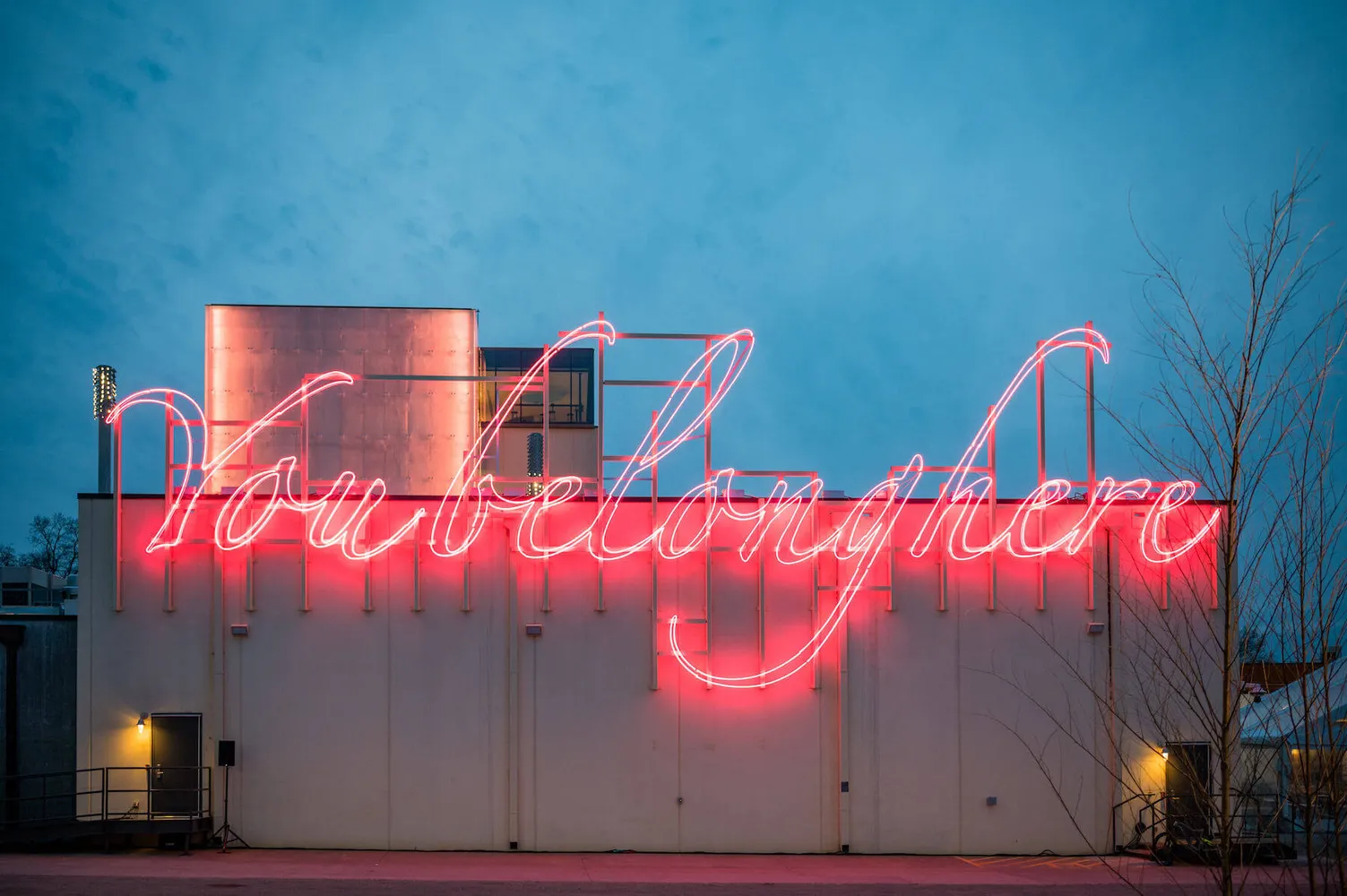
For more than six decades, a Kraft cheese factory stood a few blocks from downtown Bentonville. Milk arrived from dairy farmers across Northwest Arkansas, cheese was produced inside, and the plant expanded as the operation changed. When the factory closed in 2013, it left behind a 63,000-square-foot industrial complex.
Rather than demolish the buildings, local philanthropists and cultural leaders saw an opportunity to create something new for the region: a contemporary arts destination built for exhibitions, performances, music, food, and gathering.
In 2016, Crystal Bridges Museum of American Art announced plans to transform the factory into a satellite contemporary art space. Chicago-based Wheeler Kearns Architects designed the conversion, and The Momentary opened to the public on February 22, 2020.
The architects kept much of the factory intact, allowing its industrial history to remain visible. Former production spaces became galleries and performance venues. The old fermentation room became a black-box theater. A 70-foot-tall industrial space became the Tower, with a bar above it offering views across Bentonville. New glass and steel elements make the building easier to navigate while distinguishing the contemporary additions from the original structures.
The transformation extended beyond the building itself. Momentary Green provides space for picnics, outdoor art, gatherings, and music festivals. The site sits along the Razorback Regional Greenway near 8th Street Market, connecting the destination to the surrounding city and its growing network of trails and public spaces.
Today, visitors can see an exhibition, hear live music, attend a performance, meet friends for coffee, or spend time outdoors. The factory’s original purpose has ended, but its role in the life of the region has not.
The Momentary’s conversion required the building to accommodate uses its original designers never imagined.
Industrial production spaces had to become galleries, theaters, restaurants, and public gathering areas. Wheeler Kearns worked with the factory’s existing masonry, concrete, steel, pipes, and industrial volumes, preserving elements that could contribute to the new experience while adding modern circulation, building systems, acoustics, and public amenities.
The project also retained the site’s layered history. Before the cheese plant opened in 1947, the land had been used as an orchard and housed a flour mill. Its history extends further back to Osage hunting grounds. Osage artist Addie Roanhorse was commissioned to create Sway, a pattern applied to the building’s new glass elements that draws on Osage cultural traditions and acknowledges the land’s earlier history.
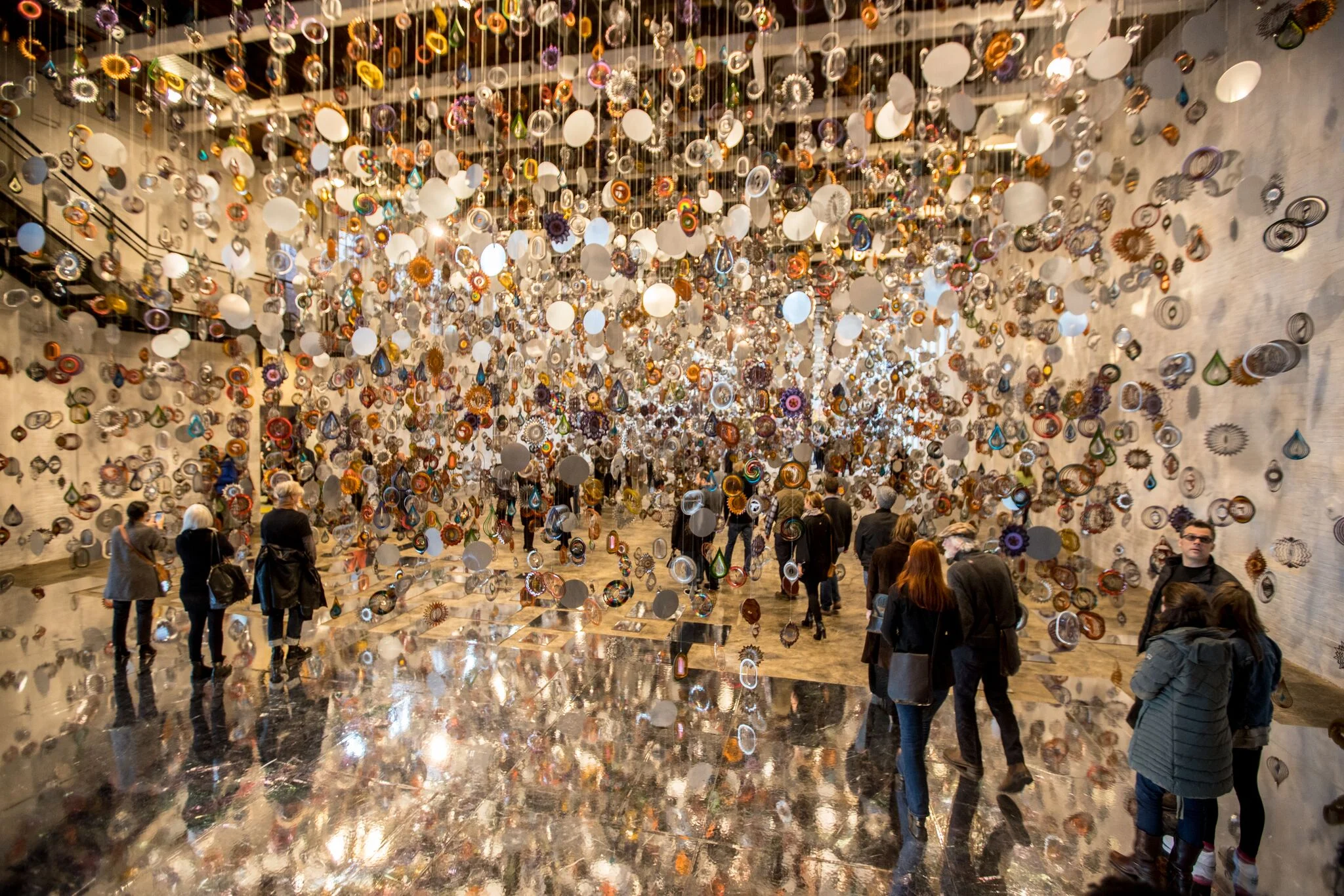
The Momentary was conceived as something different from a traditional collecting museum. Rather than organizing itself around a permanent collection, it was designed for changing exhibitions, performances, culinary experiences, festivals, and artists-in-residence. That flexibility allows the building to host different activities and audiences throughout the year.
The project is also part of a larger investment in Northwest Arkansas’s cultural life. Crystal Bridges opened in 2011, and The Momentary extended that institution’s reach into downtown Bentonville with a different kind of venue and programming.
The project illustrates how an inherited industrial building can become the foundation for a new civic and cultural institution. The architecture matters, but so do the programming, public access, surrounding connections, and ongoing work required to make the place useful.
The Momentary is not simply a former factory with a new tenant. It is a new cultural destination built from the physical remains of an older one.
Further reading
Visit source